
Market Value Factors for 50p Coins and Profit Potential
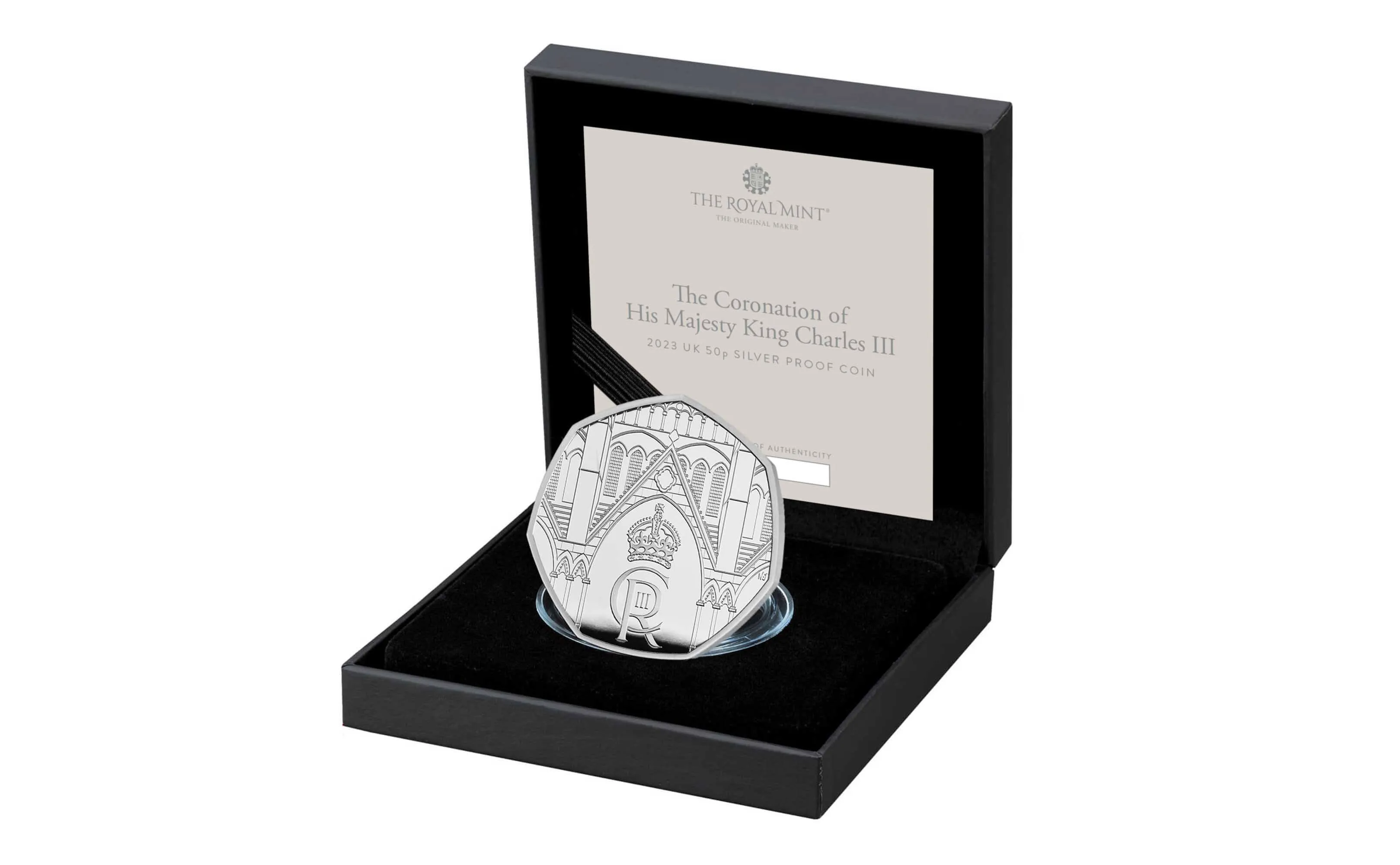
Common 50p coin market prices start at £0.55 and reach £1.20 for average condition items. Rare King Charles 50p no date finds, or verified mint errors offer profit potential ranging from £50 to £400 on specialized trading platforms.
Record prices for unique high-grade examples reach £1200, exceeding face value many times over.
King Charles 50p Missing Date Status
King Charles 50p coins missing a visible date represent post-mint damage rather than factory errors. Selling price for these items stays within £0.50 to £0.70. Verified error coins with mismatched stamps trade at £150 to £300. Mechanical force concealing a date removes all investment interest for serious buyers.
Damage Type | Market Value | Reason for Value Drop |
Surface Scratches | £0.50 to £0.60 | Low collector interest |
Date Removal | £0.50 | False error claim |
Heavy Abrasion | £0.50 | Destroyed finish |
Technical Specification Data
Specification Detail | Metric Value |
Coin Diameter | 27.30 mm |
Coin Mass | 8.00 g |
Alloy Composition | Copper nickel |
Error Classification and Profitability
Double Die Errors
Double image lines on text or features increase coin value significantly. Sharp double lines sell for £80 to £200. Faint double lines command £20 to £40.
Off Centre Errors
Off centre stamp magnitude defines final price. Minor 5% to 10% shifts add £15 to £30 to base price. Major 30% or higher shifts increase price to £150 to £400.
Wrong Metal Errors
Wrong metal blank usage creates high value anomalies. These items trade at £600 to £1000. Peak recorded price for similar errors hits £1500.
Percentage Price Change Metrics
Rare series value growth: 3% to 7%
Damaged finish value drop: 50% to 80%
Standard series value change: 0%
Storage Impact on Investment Profit
Improper storage causes oxidation, instantly removing value above face amount. High humidity environments drop proof coin value from £50 to £1.
Acid free capsule storage preserves market worth, stopping patina growth. Plastic coin flips protect coins but require stable temperature control.
Series Market Value Dynamics
2012 Olympic series: £2 to £15
Commemorative issues: £5 to £25
Limited circulation runs: £40 to £150
Certification and Value Increase
Professional grading increases asset liquidity. MS65 grade adds £20 to base price. MS70 grade increases final worth by £50 to £80. Selling expensive items without certificates reduces potential returns by 30%.
Speculation Risks and Price Adjustments
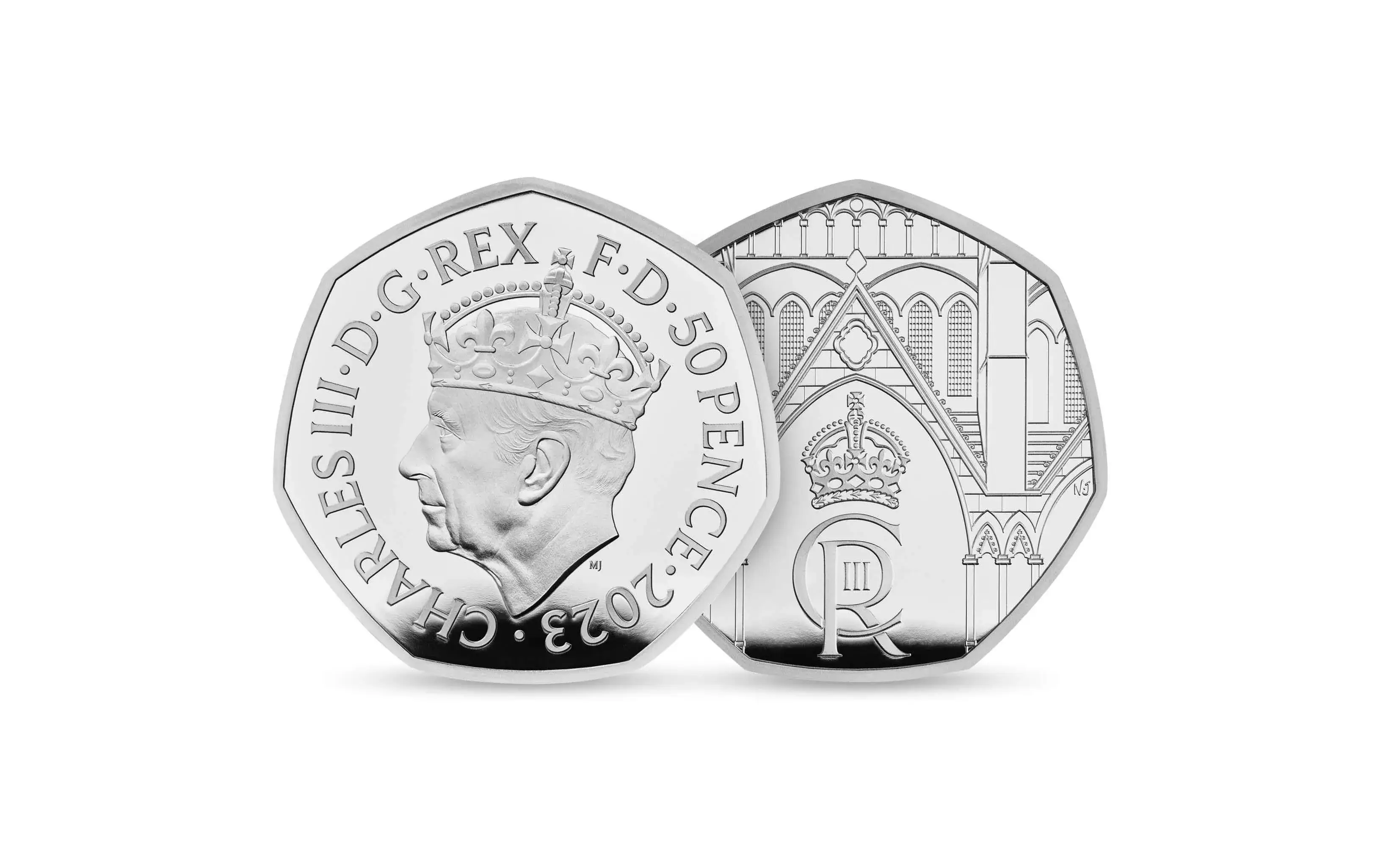
Buying error coins requires secondary market research. Many items labeled rare show signs of metal tampering. Paying over £5 for such items carries high risk. Artificial shift errors trade at face value only.
Numismatic Market Economic Factors
Low mintage volume influences potential worth. Runs under 100000 units offer 10% value growth potential per annum. Runs exceeding 5 million units provide no investment value above face amount. Only certified production anomalies provide exceptions.
Coin Evaluation Checklist
Check strike clarity
Verify standard weight
Cross reference sales databases
Look for physical damage
These data points reflect mid-2026 market conditions. Profit-focused investors select items with verified certification. Random circulation finds rarely exceed £2 unless critical production errors exist, backed by expert verification.
Tracking auction records provides insight into price volatility. Market value often differs from list prices by 15% to 20% depending on current demand for specific coin series.
Minting Process and Value Influence
Minting machines operate at high speeds. Stamping dies wear down during massive production runs. Worn dies create weak strikes. Weak strikes lower collector appeal. Sharp strikes maintain high value. Every coin detail matters for price. Collectors pay premiums for high relief details. Flat details sell for face value.
Coin Condition Grading Standards
Circulated grade: Face value to £2
About uncirculated: £3 to £10
Mint state grade: £15 to £100
Proof finish: £40 to £200
Market Demand Drivers
Buyer interest shifts across coin series. Popular themes like animals or sports drive prices higher. Rare themes create low supply. Low supply drives price up. High supply keeps prices at face value.
Understanding demand cycles helps investors time sales for maximum profit.
Investment Preservation Advice
Clean coins lose all value. Chemicals strip metal layers, destroying original luster. Touching coin surfaces leaves oils. Oils cause permanent spots. Always handle coins by edges. Use cotton gloves for expensive items.
Store collections away from sunlight. Sunlight fades packaging. Keep records of every purchase price. Tracking costs helps calculate net profit per sale.
Counterfeit Coin Risks
High value coins attract fakes. Fake coins have wrong weight. Fake coins show poor detail quality. Always weigh items before buying. Check edge lettering for errors. Consistent edge quality indicates authentic production.
Counterfeiters focus on popular coins. Avoid deals priced too low for reality. Verified sellers offer guarantees. High risk buys require professional vetting.
Auction Platform Fees
Selling on auction sites involves platform fees. Fees range from 10% to 15% of sale price. Factor fees into profit calculations. Selling direct to dealers avoids fees but brings lower sale prices. Dealer prices offer instant cash. Auction prices offer higher potential return but require time. Compare both options before selling.
Long Term Holding Strategy
Hold rare coins for five years or longer. Value grows through market scarcity. Sudden market dumps lower prices. Patience rewards dedicated collectors.
Watch for economic shifts affecting metal prices. Metal prices influence base material worth. 50p coins contain nickel and copper. Rising material costs support base value.